
safari planning 101

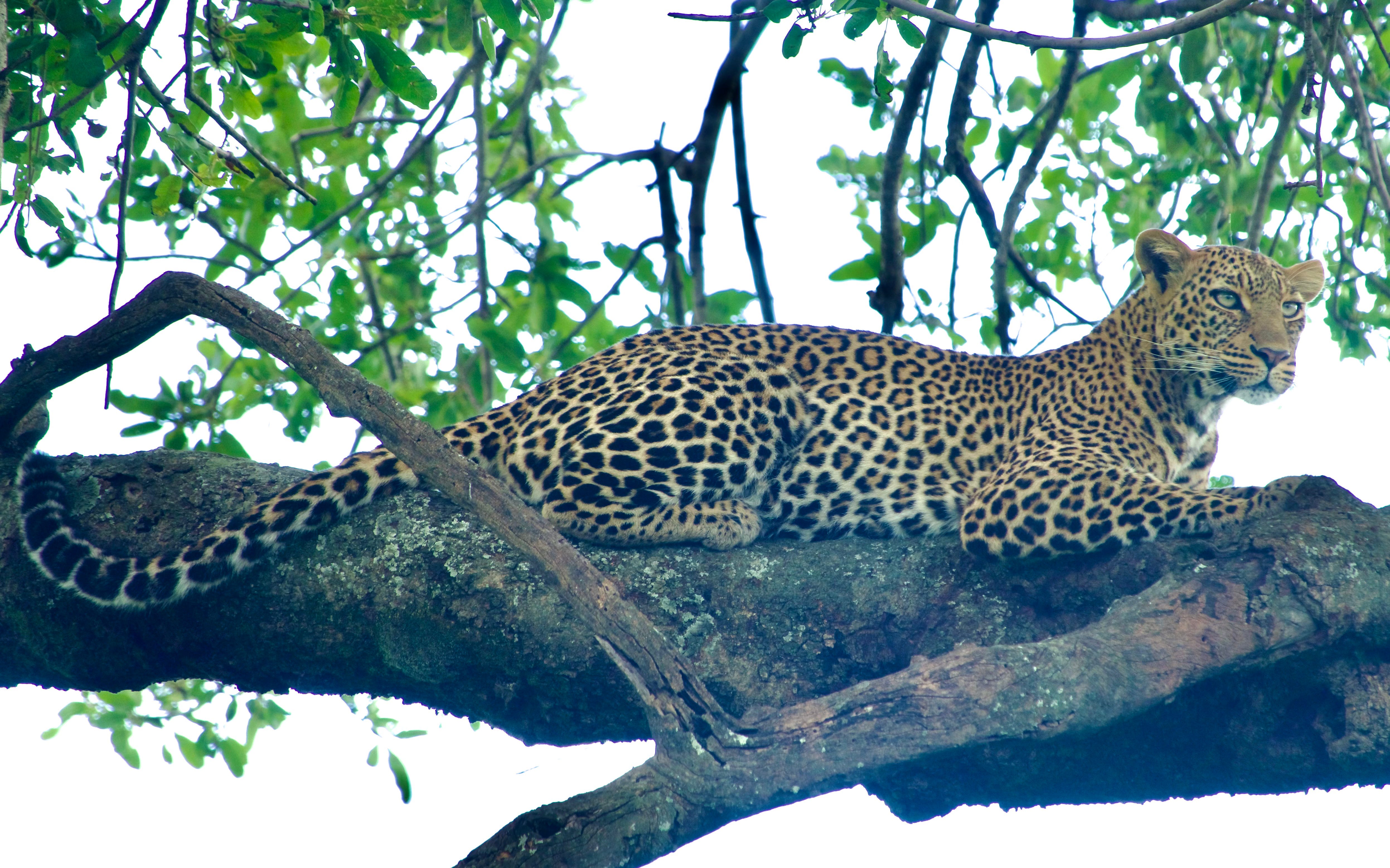
I spent over 2 months in Africa this year, and I get asked about safari planning a lot. It can be daunting to know where to start, and it is definitely expensive. But my trips were so incredible and the experience so singular, that it is worth the time, any inconvenience, and the cost like no other trip I’ve ever taken. I’d wanted to travel in Africa my whole life, and I started to plan it several times, but for various reasons I’d never made it further than Morocco. When I sold my bakery and took a year off to travel, it was my first and biggest priority. I had an amazing 5 week trip and it so exceeded my high expectations that I almost immediately planned another month back.
Both trips were incredible, but I certainly made mistakes in my planning, and brought too much stuff, and learned a lot along the way. This is a basic cheat sheet with important facts and tips to get you started planning, and what to expect when you are there. I’m not going to tell you where to go- I’ve been to Kenya, Tanzania, Malawi, Zimbabwe, and a quick border jump to Zambia this year and I’ve barely scratched the surface.
PLANNING YOUR TRIP
You will definitely need to work with a travel planner on this, preferably a safari specialist, especially on your first trip. Many safari camps will not book directly with guests and require it. Transport between camps is complicated and they are quite remote- you need someone who can manage all of this and get you place to place. A good planner will make your trip so, if at all possible, get personal recommendations from people who have actually used your travel company. You may want to contact several to find one that is a good match and understands your needs.
Before you contact your planner, it is best to figure out a few things. The basics obviously: budget, dates and length of travel. It is often recommended to plan a year plus out, and in peak season or if you have very specific camps in mind this may be necessary. However, I planned a safari 5 weeks out because I was pretty open to what was available, and I wasn’t traveling at peak season. I was still able to get in my first choice spots.


TRANSPORTATION:
Traveling to and within Africa can be complicated. For the most popular countries like Kenya and South Africa you may only need a flight or two from the US, but smaller countries may require multiple stops and changes. Once you arrive, most people fly between camps, in small planes, landing on remote airstrips. These flights may be as small as only you and the pilot, or on a mid size plane that holds up to 20 and drops people at various airstrips along the way. Driving safaris are an option too. They do allow you to see more of the landscape, but the distances are long and the roads often aren’t great.


ACCOMMODATIONS :
Your choice of safari camps will make the biggest impact on your trip and be your biggest expense. The cost of your camp will almost always include not just accommodations, but meals, all your game drives, and activities. They are priced per person per night and prices change throughout the year, so going at a low ( or “shoulder”) season can save money.
You will want to consider the size and location of the camp, the type of accommodation, and the activities offered. The camps may range from well equipped semi permanent tents to a lodge with walled rooms to a larger more hotel like establishment. I am not a camper by any means, but I love a tented camp. The tents are often extremely luxurious and have bathtubs and lounging areas, but also give you a sense of the nature around you. There’s nothing like lying in bed and hearing lion or elephant through your canvas walls. The location of the camp is important as well. Camps located in private conservancies are more isolated and allow for more private game viewing, and are often more eco friendly. Camps in big national parks tend to be cheaper, but you may be crowded with many other jeeps on a game drive.


WILDLIFE:
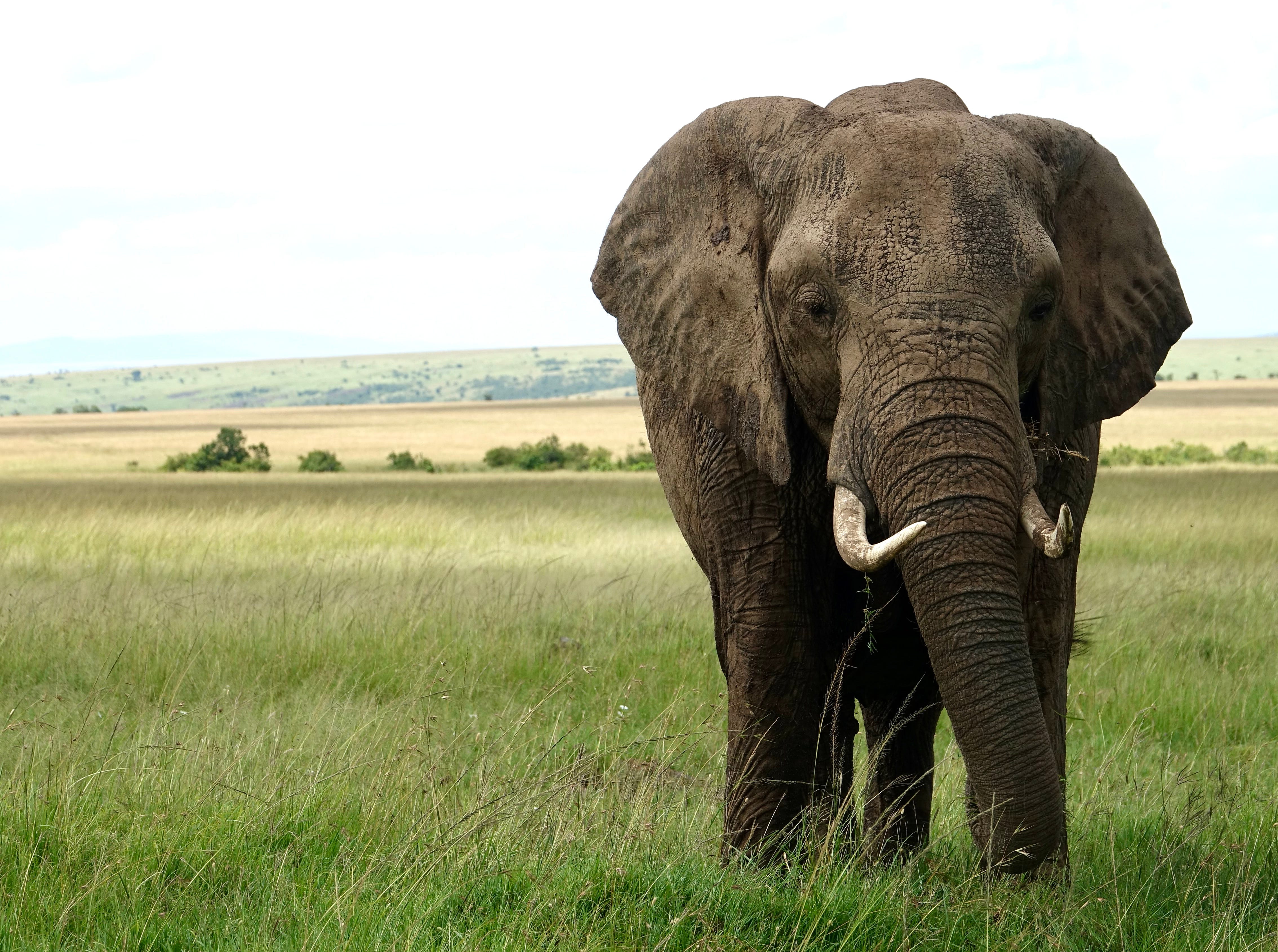
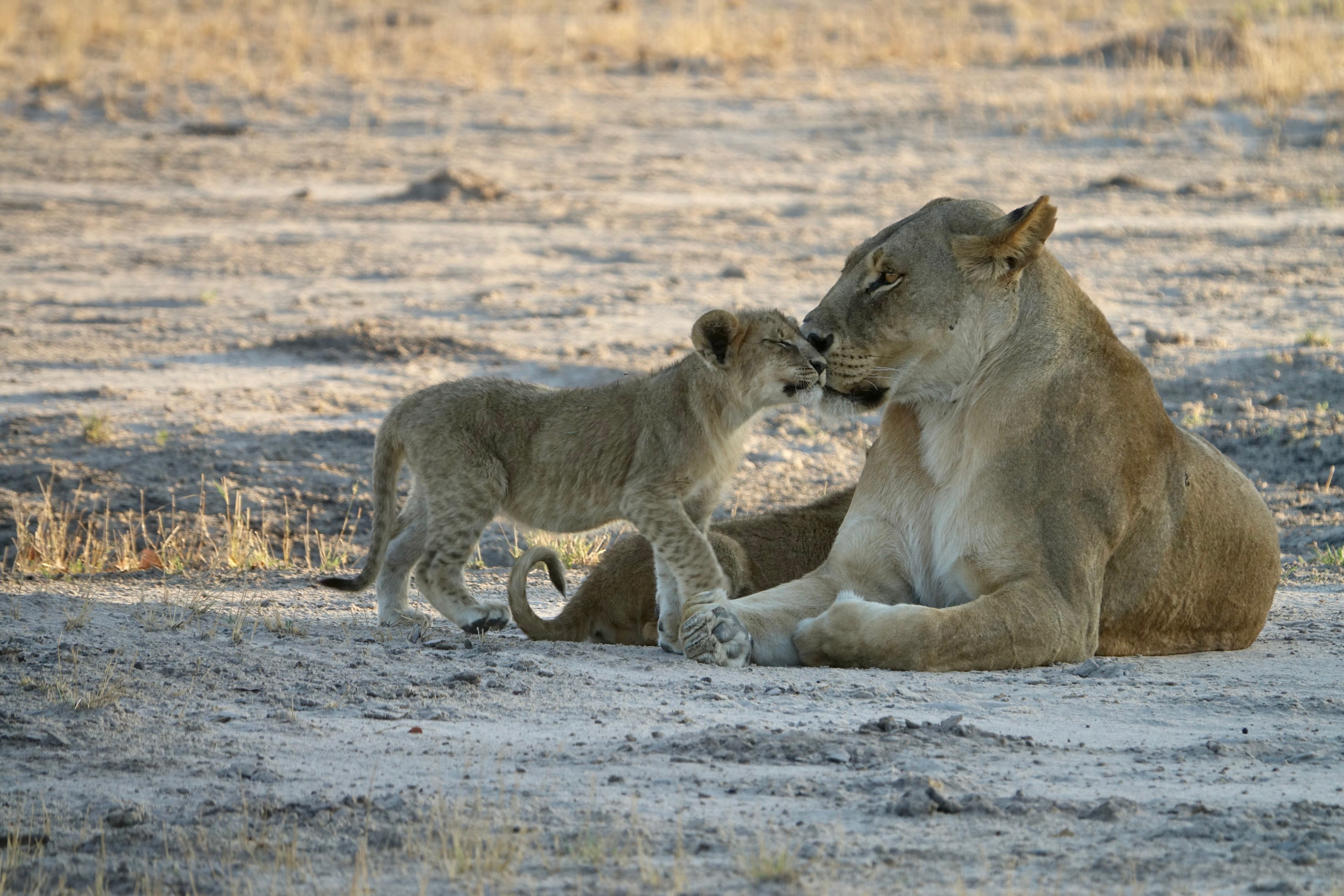
If there are any animals you particularly want to see or events such as the The Great Migration this may help determine your choice of location. There are focused trips, like those to see gorillas in Uganda or Rwanda. There are places where you are guaranteed to see large numbers of a certain animal, like elephants in the Okavango Delta. But do remember there are no guarantees and you don’t want to bank your entire trip on seeing a more elusive leopard or wild dog.


ACTIVITIES:
The larger the camp, the more activities that may be offered. Driving safaris are the most common, but there are also boat, horseback, and walking safaris. There are hot air ballon rides and spa treatments in some places. Cultural activities, visits to local villages, and volunteer opportunities may also be an option.


BEYOND SAFARI:
Safari days are all fairly similar so it’s nice to add some variety to the overall trip. It is popular to end a safari at an Indian Ocean beach such as Zanzibar, Mozambique or The Seychelles, but I enjoyed time in major cities like Nairobi as well, and visiting natural wonders like Victoria Falls.
PREPARING FOR YOUR TRIP
VISAS & VACCINATIONS
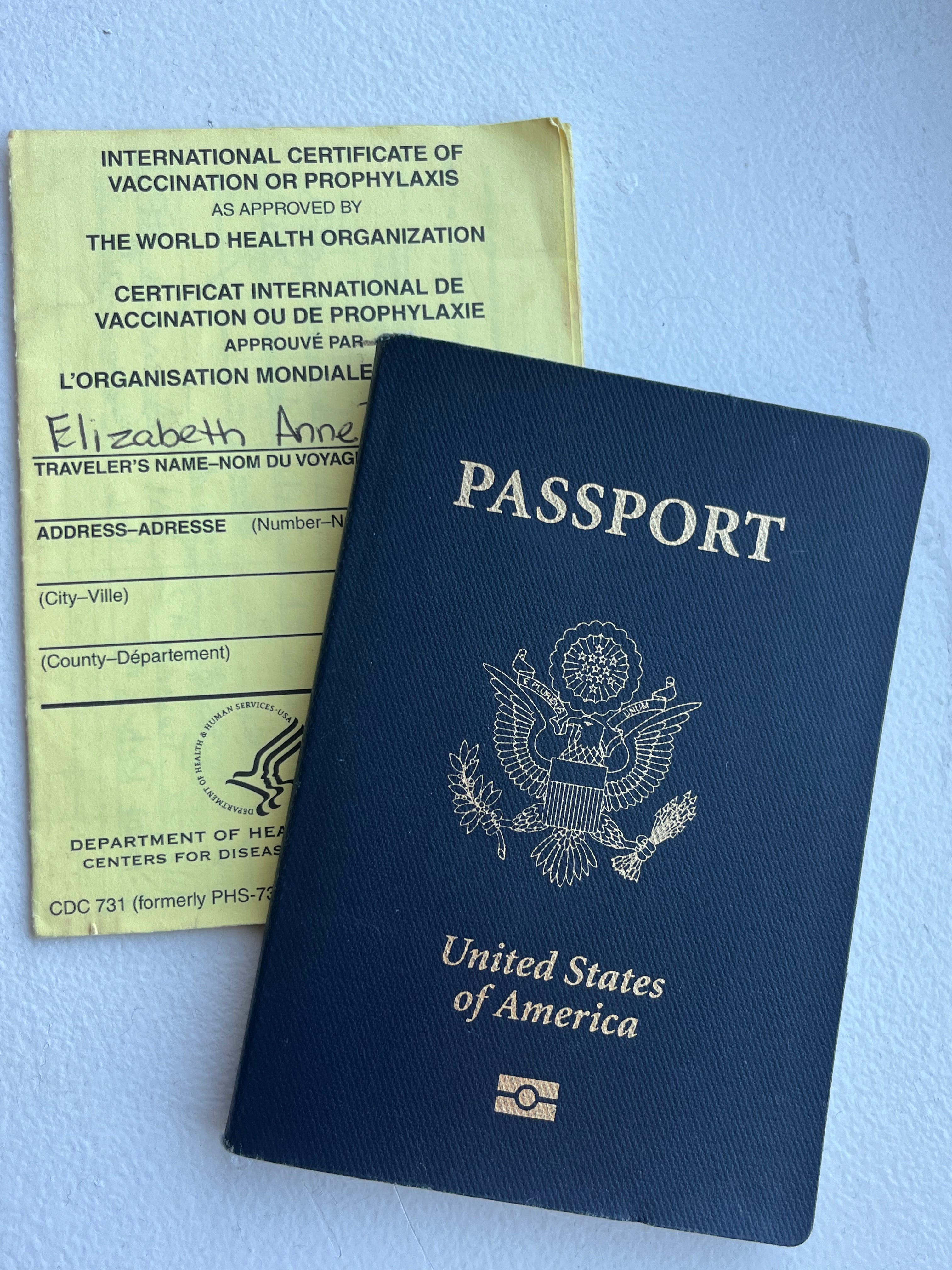
The first thing to do once you have planned your trip is to check for vaccination, medication and visa requirements for the locations you have chosen.
https://travel.state.gov/content/travel/en/international-travel.html
The state department website will have most of the information you need. Many visas can be applied for online, and some gotten on arrival. Random delays are not uncommon, so I would do this as soon as plans are made.
Medical information can also be found on this site as well, and many hospitals have a travel clinic which will provide the necessary prescriptions and vaccinations. Some are not covered by insurance, so be prepared to pay out of pocket. Malaria is the most common concern, but there are many malaria free areas, particularly in South Africa. Vaccination recommendations vary by region and are mostly for your own safety, but there are countries that require a yellow fever vaccine and will ask for proof when you enter.
MONEY
Once nice aspect about a trip that is planned like this is that almost everything is pre-paid. Your planner will give you total that will generally include accommodations, meals, activities, and transportation once you arrive in Africa . There may be sticker shock, but there aren’t generally surprises. Outside of this cost and your international flights, you generally just need to pay for tips at the camps, shopping and incidentals, and possibly a few meals before or after you head out from your arrival/departure city. I would recommend bringing a Visa or Mastercard ( AMEX is not usually accepted) and a good stock of newer dollars in a a mix of denominations. Some countries are particular about bills being the current design (after 2004) and they should be new looking and free of tears. I call my bank and have them put together some new money for me. You will need to have dollars for tipping at the camps and shopping in markets. If you are spending time in cities along the way, they will almost always accept credit cards at hotels, restaurants and more established shops.
PACKING
Most people panic when they hear of the 12- 15kg baggage limit required by small safari planes, but you really don’t need much on these trips. The camps will wash your clothes everyday and there is really no need to ever dress up. There are many lists available for packing online, but some seem to really overdo it. These are the things I feel are most important.
Luggage: Pack in a soft sided duffel bag( required on many planes) and use packing cubes to keep things organized. Bring a small backpack for your essentials on a game drive. I used this fold-up backpack everyday to keep my camera, sunscreen and items for my game drive.
Clothes: It can’t be said enough that you need to layer. Check your destinations first, but remember even a warm location may be cool before sunrise in the back of an open jeep. Bring something warm for the mornings and evenings, shirts you can layer, both pants and a pair of shorts, and a bathing suit for afternoon swims. Something to wear at the camp for lounging and dinner. You will mostly be in a jeep-I never found boots necessary. You can probably get away with running shoes and sandals. A hat and sunglasses.
Equipment: An iPhone will not cut it for wildlife photos. You definitely want a good camera with a zoom lens- I really like a super zoom camera that allows you to zoom without taking up the space and weight of extra lenses. If you are not an experienced photographer try to learn about the camera before you go! Your guide will have binoculars, but many people prefer to bring their own. Many camps are run by solar power or generator so electronics are limited. You most likely will not be using a hair dryer, and in some camps wi-fi is spotty or limited to common areas. I always travel with a universal adapter and a long charging cord.
Toiletries: These are the items you don’t want to leave behind, since you won’t be able to stock up there. Camps will have soap and shampoo, but bring lots of sunscreen, lip balm and moisturizer. I found being out in the jeep all day made my skin and lips dryer than usual. You also want a basic first aid kit and include antibacterial cream, stomach meds, and antibiotics for emergencies.
ON YOUR TRIP
Days on safari have a very distinct rhythm . There is generally a morning and afternoon game drive with a several of meals before and after, and the heat of midday is spent relaxing around the camp. The basics of safari: a lot of time in a jeep, and a lot of food.
On a standard day you will wake early and will almost always be out for the morning between 5am and 7 am. There is usually coffee and a light breakfast before you will head out. You and your guide will discuss the goals of the day’s game drive. Sometimes you will go on the hunt for a specific, elusive animal, and sometimes just drive around to see what’s out there. At some point, you stop in a nice spot for coffee and a bit more breakfast. The length of your game drives will depend on distances, preferences, weather and how much you are seeing. Flexibility makes for a better day since sightings are so unpredictable.
When you return from the morning game drive in the late morning , you will be free until the afternoon game drive, around 3 pm. There will be a full lunch followed by free time, perfect for reading or a dip in the pool, and then light snacks at teatime before you leave for the afternoon game drive ( yes, at 3pm you are on your 4th meal.) Your afternoon game drive will be similar to the morning, but your guide will find nice spot to watch the incredible African sunset and have sundowners and snacks. Upon your return to camp, there will be more drinks and a multi-course dinner. You can choose to dine with other guests and your guides or request to be seated at your own table. After dinner, for safety, a staff member will walk you back to your room for (generally fairly early) bedtime. You never know what is around the corner in the dark of the bush!
Throughout your time, the staff will arrange for little surprises such as a lunch set up and cooked in the middle of the bush, or sundowners set up in advance at a perfect spot. The lovely guides and staff at the safari camps are really what make the experience so special. Although sightings are different everyday, the schedule stays fairly similar. If your trip is longer or you need more variety, you might want to look into camps that offer different kinds of game drives ( walking, horseback, canoe) or cultural activities.


At the end of your time at the camp, the manger or your host will let you know what time you will be driven out. As you are preparing to leave you will tip your guide, your host/waiter, and there is a general tip box that is divided among the staff. The camps often don’t share the information or have tip boxes in a prominent place, so ask for tip envelopes and the location of the tip box. I usually do $20 for each, per day, with a bit extra for my guide and anyone who did something extra. Your guide is the single most important person of your trip and they really deserve it!


This is fantastic, Beth! I’ve taken two AMAZING safari trips myself, in 2011 and 2013, and would do another in a heartbeat. I saved this post to be able to use as a reference because there is SO MUCH to consider. Thanks for taking the time to memorialize everything, and for sharing!